How Early Years Nursery Supports Your Child's Growth
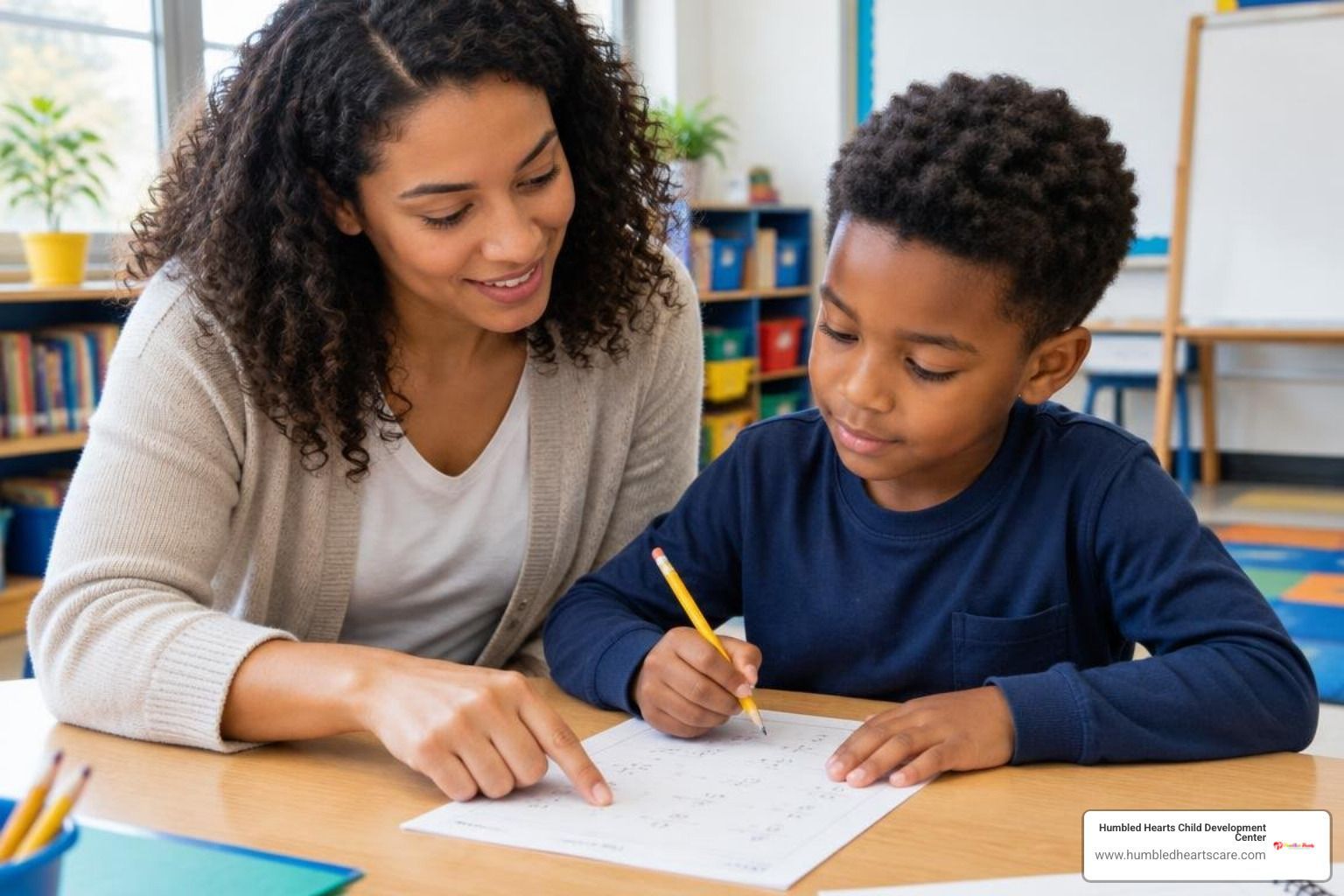
Early years nursery gives young children a place to learn through play, build friendships, and practice everyday skills. With caring educators and a steady routine, children can grow in language, problem-solving, movement, and confidence. They also get chances to take turns, handle big feelings, and do more for themselves.
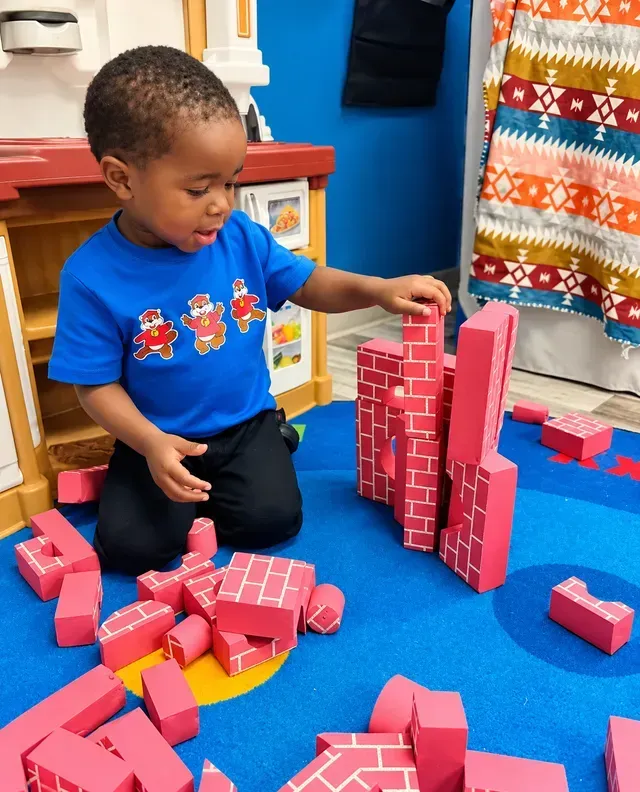
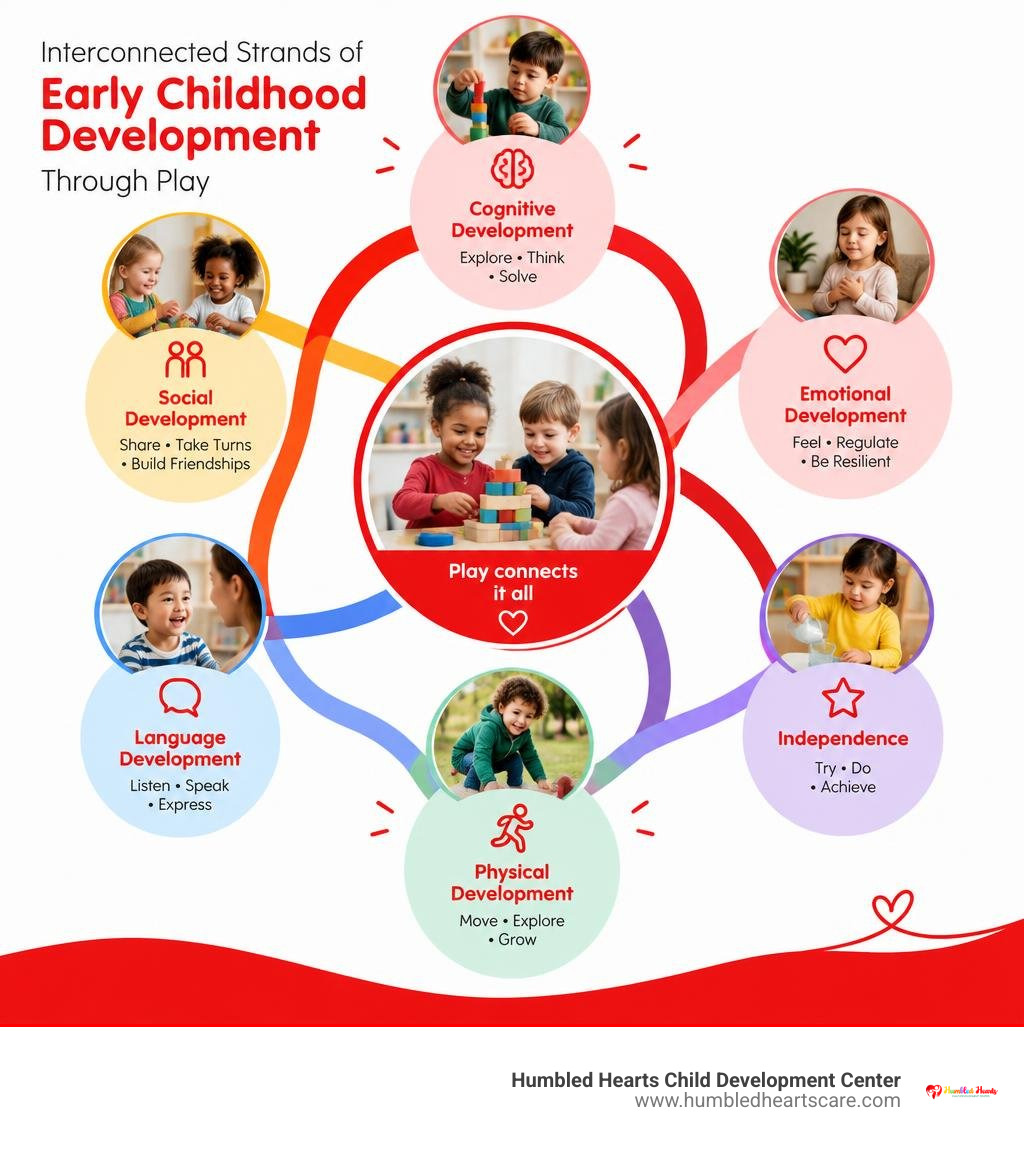
These skills grow together, not one at a time. A child building with a friend may practice counting, speaking, sharing, and trying again when a tower falls. The best nursery experience makes room for that kind of learning while keeping families involved.
The Core Developmental Benefits of an Early Years Nursery
Enrolling your child in an early years nursery gives them a welcoming place to build friendships, understand feelings, and develop thinking skills. Home provides a foundation of love and safety, while a group learning setting offers regular opportunities to play and learn with other children. With parents and educators working as a team, children can learn to get along with different personalities, take turns, and show empathy.
Learning to manage feelings and actions, often called self-regulation, is an important part of these early years. Rather than simply holding back impulses, children learn to recognize their feelings and try practical strategies—such as deep breathing or spending time in a quiet, calming corner. Everyday setbacks, such as a collapsed block tower or waiting for a favorite tricycle, give children chances to practice coping with disappointment. Caring educators acknowledge their feelings and help them work through problems, partnering with families to support each child's progress.
Shared meals and group activities give children opportunities to learn about different cultures. As children eat together, share stories, and explore traditions with educators and families, they can learn to appreciate backgrounds and customs different from their own. For working families seeking consistent, nurturing care that supports their child's growth, our structured daycare programs offer steady routines, time with other children, and caring guidance that help children manage feelings and feel part of a community.
At Humbled Hearts, gentleness, honesty, respect, and predictable daily routines support academic readiness, alongside gentle, supportive religious or moral guidance. Humbled Hearts offers fresh daily meals and snacks, free local transportation within its designated service radius, and year-round field trips, including weekly summer field trips. Birthdays, holidays, celebrations, and themed activities give children more opportunities to learn and connect.
| Developmental Area | Home-Only Routine | Structured Early Years Setting |
|---|---|---|
| Peer Socialization | Occasional playdates; adult-centric conversation | Daily, diverse peer interactions with guided conflict resolution |
| Emotional Regulation | Individualized pacing with familiar caregivers | Practice sharing attention, moving between activities, and managing feelings with a caring adult's help |
| Curriculum & Inquiry | Informal, interest-led activities | Systematic, play-based curriculum balancing child-led and guided exploration |
| Independence & Routines | Flexible daily schedule tailored to one child | Predictable group routines that build self-care skills and independence |
Cognitive, Language, and Motor Skill Growth in an Early Years Nursery
The early years are a time of rapid brain development. Rather than relying on repetitive drills, high-quality early childhood education uses purposeful play to strengthen thinking and learning skills. Early reading and writing skills grow through interactive read-alouds, rhythmic storytelling, and rhyming games that help children notice sounds in spoken words. Educators support language through conversational scaffolding: repeating a child's words, adding descriptive vocabulary, and asking open-ended questions. These approaches help children understand and use more language in everyday conversations.
Foundational mathematics is woven naturally into daily exploration. Children grasp concepts like volume, weight, and geometry by pouring sand into varied containers, classifying buttons by color and size, and counting out snack portions.
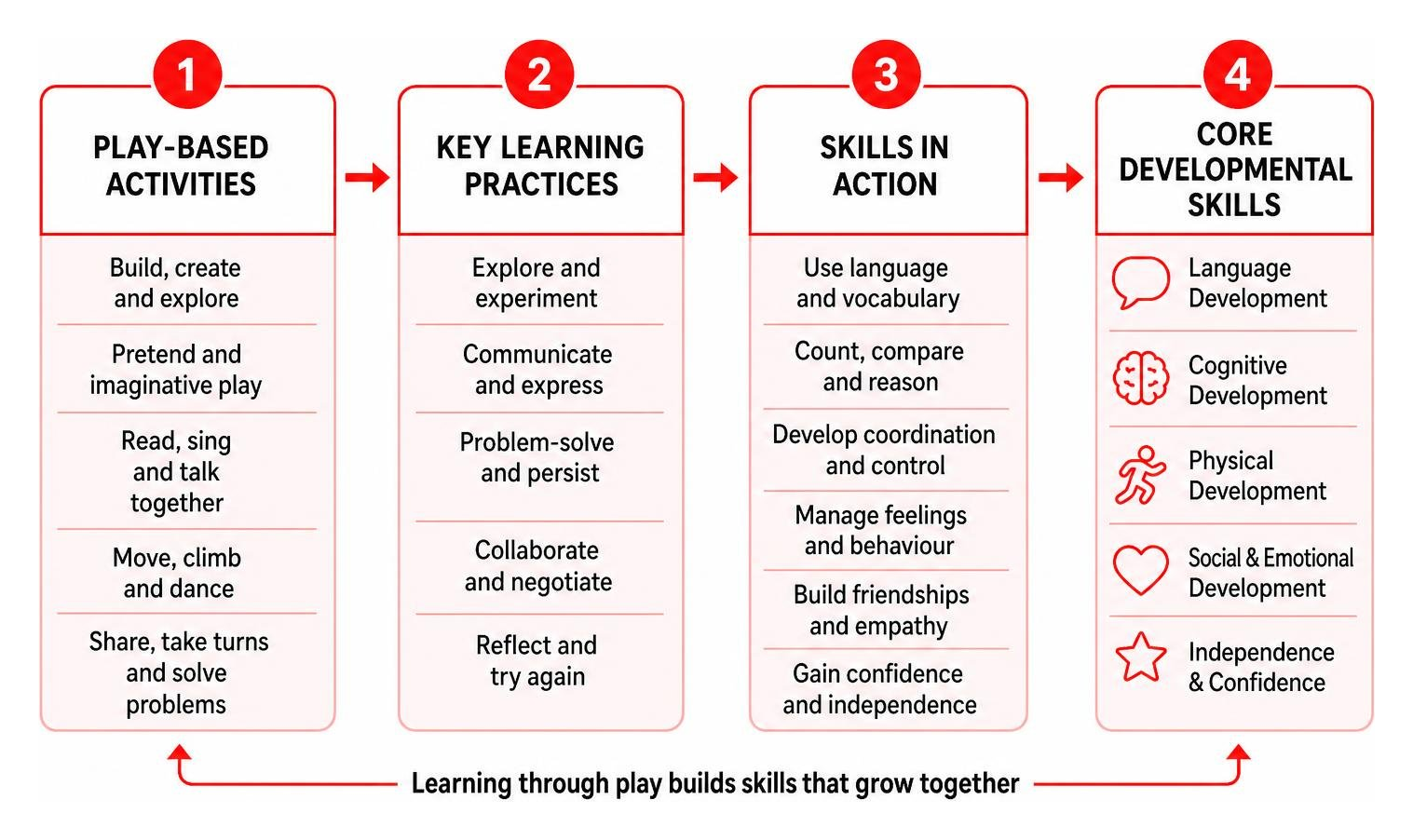
Children also develop fine motor skills—small hand and finger movements—and gross motor skills—larger movements such as climbing and jumping—through activities like these:
- Fine Motor Skills: Kneading playdough, threading beads, snipping with safety scissors, and grasping chunky chalk help develop hand strength and finger control that support using writing tools.
- Gross Motor Skills: Climbing outdoor structures, balancing along low beams, jumping, and dancing strengthen the muscles that support balance, help children understand where their bodies are in space, and build coordination between both sides of the body.
- Thinking and Problem-Solving: Building tracks, testing which objects float in water troughs, and completing multi-piece puzzles encourage children to work through problems and stay focused.
Families looking for personalized early learning through play can explore our enriching preschool curriculum, which helps children build early literacy and math skills through hands-on play. Our educators work closely with families to support each child's progress.
Supporting Inclusive Needs: SEND and Multilingual Learners
An effective early childhood environment welcomes children with different developmental needs and language backgrounds. For children with Special Educational Needs and Disabilities (SEND), nurseries can offer tailored support such as visual schedules, calm spaces, and sensory tools adapted to their needs. A child's main educator, sometimes called a key worker, follows their developmental progress closely and works with families and specialists to identify speech, movement, or sensory needs and plan individualized support. At Humbled Hearts, children with exceptional or special needs receive personalized support, with educators and families working together to meet each child's needs.
For children learning English as an Additional Language (EAL), the nursery environment provides a language-rich, supportive bridge. Multilingual educators, dual-language storybooks, and visual cues allow children to communicate comfortably while absorbing new vocabulary at their own pace. Respecting and validating a child's home language builds the emotional security necessary to master a second language with confidence.
Curriculum Frameworks and Effective Practice in Early Childhood
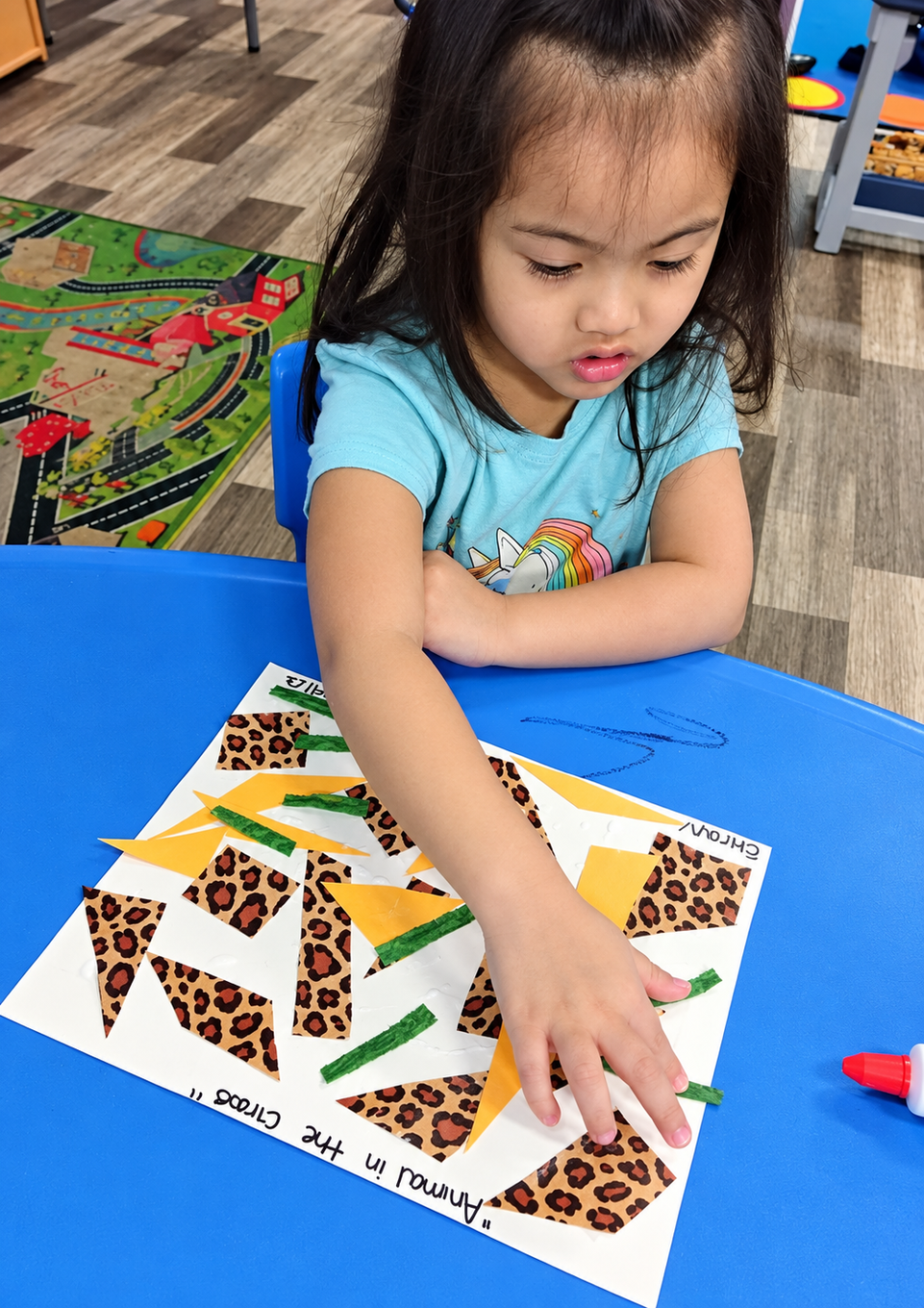
Exemplary early childhood education relies on structured frameworks that balance child-led discovery with intentional adult guidance. Frameworks like the Early Years Foundation Stage (EYFS) emphasize that development does not follow a rigid, linear checklist. Instead, as highlighted in the UK Department for Education's Development Matters guidance, learning resembles an interconnected spider's web where progress in one domain fuels growth across all others.
Effective early teaching supports three important ways children learn:
- Playing and Exploring: Children investigate, experience materials firsthand, and show curiosity about the world around them.
- Active Learning: Children stay focused, keep trying through challenges, and take pride in their accomplishments.
- Creating and Thinking Critically: Children develop their own ideas, notice patterns, and try different approaches when solving problems.
Prioritizing depth over surface-level coverage allows children to master concepts thoroughly. For instance, exploring the number five through diverse representations—counting five acorns, finding five blocks, hopping five times—builds a stronger mathematical foundation than rushing through counting to twenty without conceptual understanding. To learn how Humbled Hearts supports academic, social, emotional, and physical growth, explore our comprehensive educational programs. For families planning childcare costs, weekly tuition for ages 4 weeks–1 year is $400 full-time or $300 part-time. For ages 2–3 years, weekly tuition is $380 full-time or $290 part-time.
The Vital Role of Qualified Educators and High-Quality Resources
A caring teaching team is at the heart of a good nursery. Ongoing professional learning helps educators understand how children's brains develop, respond sensitively to children who have experienced distressing events, and support early communication. In a key worker system, each child has a main educator who builds a trusting relationship with them, follows their well-being, and tailors activities to their interests. This educator also serves as a primary contact for parents, working with them as a team to support their child.
Classroom materials play an important role in learning. Nurseries can support creative play with open-ended "loose parts"—materials such as natural wooden blocks, cardboard tubes, fabric pieces, shells, and crates that children can use in different ways. Unlike toys designed for a single purpose, these adaptable materials encourage children to invent their own games, create imaginative scenes, and find new uses for everyday objects.
Strengthening the Parent-Educator Partnership
A child's education thrives when parents and educators work as collaborative partners. Establishing a warm, transparent dialogue ensures consistency between the home and classroom environments.
Educators and families can build this partnership in practical ways:
- Gradual Settling-In: Short visits that gradually become longer can help children feel comfortable with the classroom, build trust, and ease worries about separation.
- Two-Way Communication: Daily conversations, shared digital portfolios, and family meetings help parents and educators exchange observations about milestones and emerging interests. At Humbled Hearts, Procare updates help families stay connected with their child's day and progress.
- Learning Together at Home: Educators share practical ideas—such as rhyming songs, cooking together, and outdoor nature walks—that families can use to explore classroom learning at home.
- Cultural Inclusion: Families are invited to share traditions, music, and stories, helping children feel that their heritage is valued and enriching the classroom community.
Preparing Children for a Smooth Transition to Primary School
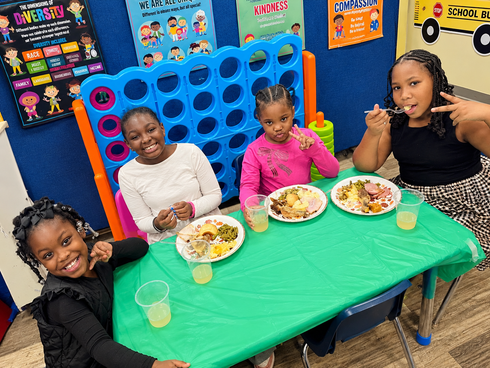
An important goal of early education is helping children feel confident about starting primary school. School readiness is not defined by whether a four-year-old can pass formal academic tests; it includes learning to handle setbacks, get along with others, and manage everyday self-care. Parents and educators work together to build these skills at each child's pace.
Nurseries help children build independence by teaching them how to look after their belongings, wash their hands, open lunch containers, and put on coats and boots. Classrooms may include pretend school areas—with school uniforms, backpacks, and classroom library corners—so children can explore the idea of "big school" through relaxed pretend play. Educators and families can also work with local primary teachers to arrange classroom visits and help the next step feel more familiar and less overwhelming.
Key Considerations When Designing an Early Years Nursery Environment
Designing an environment for young children requires thoughtful planning around safety, accessibility, and sensory needs. Classrooms should feel open and calming, using natural lighting, neutral colors, and uncluttered layouts to prevent sensory overload. Distinct learning zones—such as cozy reading nooks, active construction areas, creative art studios, and quiet reflection spaces—allow children to choose settings that match their energy levels.
Outdoor learning is important, too. Daily opportunities to move between indoor activities and natural outdoor spaces—featuring mud kitchens, sand pits, sensory gardens, and climbing elements—give children chances to explore nature, practice physical challenges with appropriate supervision, and strengthen the large muscles used for movement. Outdoor play in different weather conditions should be planned around children's safety and comfort.
Frequently Asked Questions About Early Childhood Education
How does nursery education help prepare a child for formal schooling?
Nursery education establishes the behavioral, social, and emotional foundations needed for a structured classroom. Children learn to follow multi-step routines, transition smoothly between activities, collaborate with peers, and express their needs clearly to adults. Mastering self-care tasks—like putting on shoes, using the restroom independently, and organizing personal items—allows children to focus on academic learning when they enter reception or kindergarten.
How do early years settings support children with SEND or EAL?
For children with Special Educational Needs and Disabilities (SEND), educators can use visual aids, calming spaces designed around children's sensory needs, and personalized one-on-one support. Educators and families work as a team, involving speech pathologists, occupational therapists, or local support teams where needed to tailor daily activities to each child. For children learning English as an Additional Language (EAL), educators can use visual cues, gestures, and multilingual resources while valuing the child's home language to make learning accessible and engaging.
What is the recommended settling-in process for a new child?
An effective settling-in process uses a phased approach across several days:
- Initial Stay-and-Play: The child attends a short session accompanied by a parent, completing an "All About Me" profile to share their favorite comforts and habits.
- Short Independent Visit: The child stays independently for one to two hours to bond with their key worker and explore the classroom.
- Extended Routine Session: The child participates in a longer half-day session that includes a shared meal and quiet rest time before starting their full schedule.
Conclusion
In the early years, children begin building curiosity, relationships, and skills such as paying attention, remembering instructions, and managing impulses. Choosing a high-quality early childhood setting gives your child a supportive foundation where learning through play, caring friendships, and whole-child growth help prepare them for future learning and everyday life. Families and educators build that foundation together, helping children grow curious, confident, and kind.
At Humbled Hearts Child Development Center at 6003 N. Teutonia Ave, Milwaukee, WI 53209, our family-owned program supports whole-child growth through personalized care, engaging learning environments, and close family partnerships. The Parrett family founded Humbled Hearts as an in-home childcare program in 2014. Humbled Hearts is a Wisconsin DCF-licensed group childcare facility licensed for up to 60 children.
Our mission is: “To nurture each child’s unique potential through personalized care, an engaging curriculum, and a supportive environment for academic, social, emotional, and physical growth.”
Our vision is: “To be a leader in Early Childhood Education, ensuring that every child and family thrives through compassionate care, personalized learning, and community support—fostering a love for learning that lasts a lifetime.”
Learn About Our Programs or call 414-539-6513 to schedule a tour. We would love to meet your family.