Finding a Building Blocks Daycare Near You
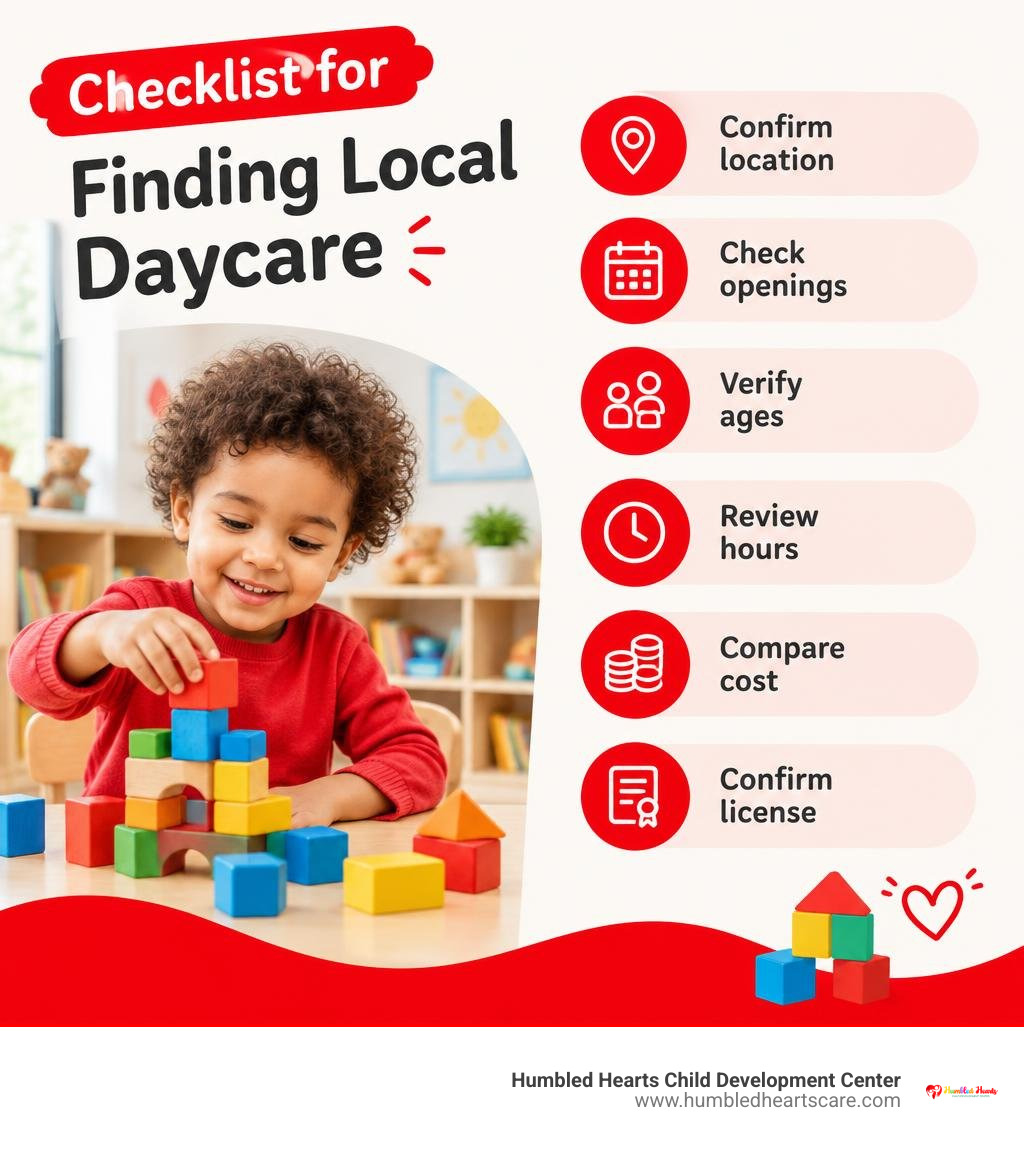
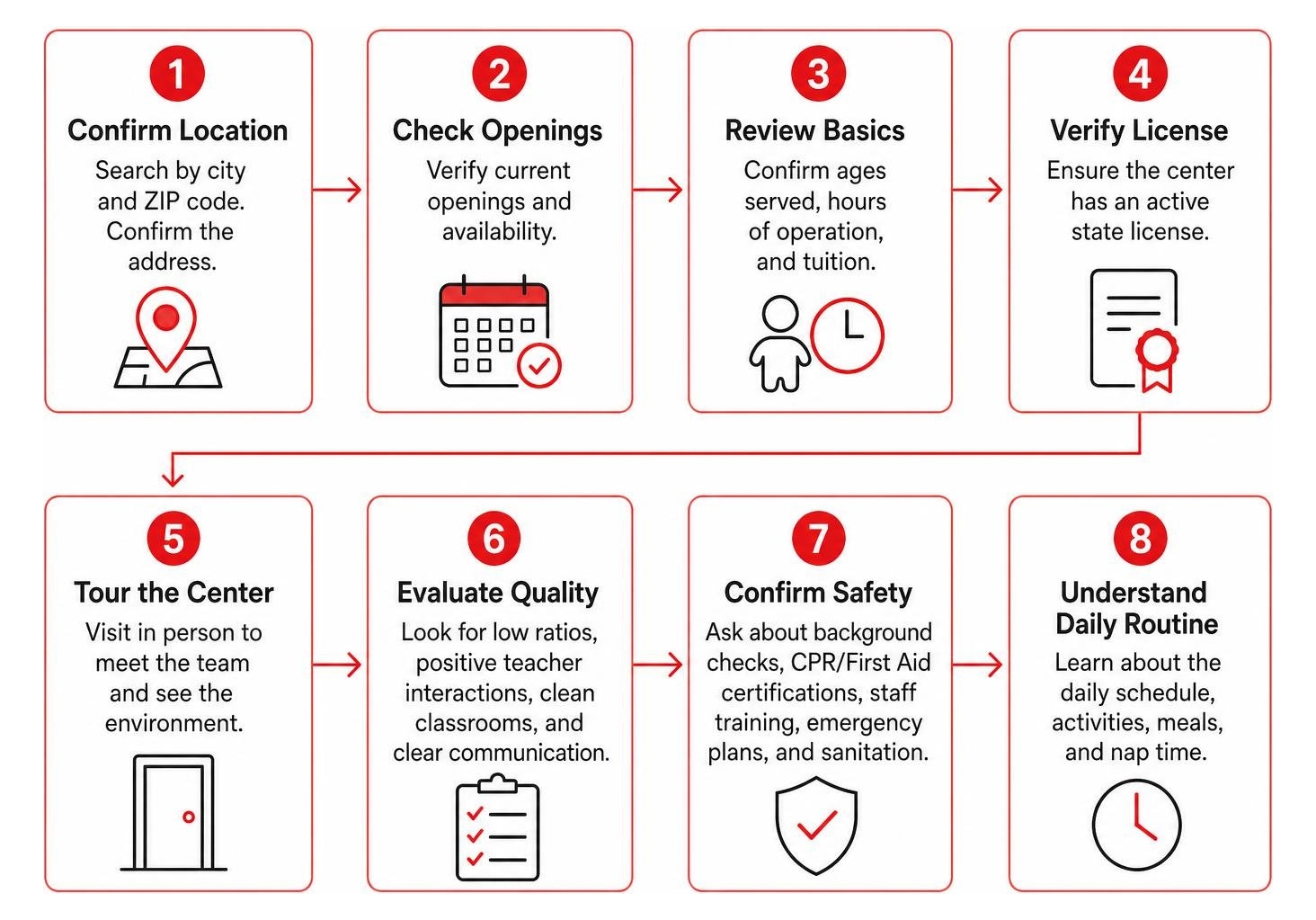
When families begin searching for a building blocks daycare near me, their goal is usually to find a secure, enriching environment that lays a solid foundation for lifelong learning. Search by your city and ZIP code first to narrow down neighborhood providers. Because several unrelated child care centers use variations of this name, always confirm the physical address and specific campus details before inquiring about open spots. After verifying location, look closely at the age groups accepted, operating hours, tuition schedules, educator credentials, and state licensing status.
A high-quality early learning environment functions as a natural extension of your home—warm, dependable, and rich with opportunities for children to learn through intentional, child-led play. These early experiences lay the vital groundwork for cognitive growth, language acquisition, emotional regulation, and positive peer relationships.
For Milwaukee families exploring local options, Humbled Hearts Child Development Center is a separate provider. Family-owned by the Parrett family since 2014, our center delivers personalized, whole-child care in a fully regulated Wisconsin DCF-licensed group childcare setting. Parents receive daily updates, photos, and meal logs through Procare, creating open communication and peace of mind. Taking an in-person tour is one of the best ways to meet our dedicated teachers and experience our welcoming learning community firsthand.
How to Choose the Best Building Blocks Daycare Near Me
Choosing an early childhood learning center is among the most important decisions you will make during your child's formative years. The right early education setting does more than provide supervision while you work; it nurtures your child's emotional wellbeing, fosters self-help skills, and instills a genuine love of discovery. High-quality centers lay the groundwork for cognitive growth, emotional security, and lifelong curiosity by creating predictable routines and emotionally responsive spaces.
When evaluating our daycare environment or comparing other neighborhood facilities, keep these essential indicators of excellence at the forefront of your decision:
- Caregiver-to-Child Ratios: Low ratios ensure your child receives individualized attention, immediate comfort when tears fall, and tailored guidance through developmental leaps.
- Positive Teacher Interactions: Look for warm, responsive teachers who get down on the floor at eye level, listen patiently, and celebrate small victories.
- Clean, Stimulating Classrooms: Environments should be sanitized daily, organized with accessible learning stations, and designed to foster safe, joyful exploration.
- Transparent Communication: True family partnerships thrive when educators share real-time updates about meals, naps, developmental progress, and milestone moments.
- Inclusive Learning Support: A high-caliber center embraces every child's unique learning profile, including individualized accommodations and thoughtful support for children with exceptional or special needs.
Essential Safety and Licensing Checks for a Building Blocks Daycare Near Me
Safety forms the bedrock of every positive early learning experience. Before enrolling your little one, verify that any neighborhood center holds an active state license in good standing without unresolved safety violations. In Wisconsin, regulated group childcare facilities undergo routine health inspections, comprehensive staff background checks, strict room capacity monitoring, and mandatory fire and emergency drills. You can easily review a provider's compliance history through the Wisconsin Department of Children and Families public portal, which displays licensing records, capacity limits, and past inspection findings.
Make sure the center requires comprehensive background checks, pediatric CPR and First Aid certifications, and ongoing early childhood education training for every staff member. Ask about emergency preparedness plans, secure check-in procedures, visitor policies, and rigorous sanitation protocols. A truly trustworthy facility welcomes your questions openly and provides complete transparency regarding its compliance history and daily safety routines.
Evaluating Core Curriculum and Daily Routines at a Building Blocks Daycare Near Me
A child's day should strike an intentional balance between structured, teacher-guided learning and open-ended, sensory exploration. The best early childhood programs focus on whole-child growth, nurturing motor skills, language acquisition, and social-emotional resilience alongside foundational academics.
When reviewing a center's preschool curriculum, look for intentional activities that introduce:
- Social-Emotional Competence: Naming big feelings, learning conflict resolution, sharing materials, taking turns, and practicing empathy during peer play.
- Fine and Gross Motor Skills: Building coordination through sensory sand tables, playdough sculpting, painting, outdoor climbing, balance beams, and rhythmic movement.
- Early Literacy and Numeracy: Daily storytimes, phonemic awareness games, counting songs, pattern recognition, and shape sorting.
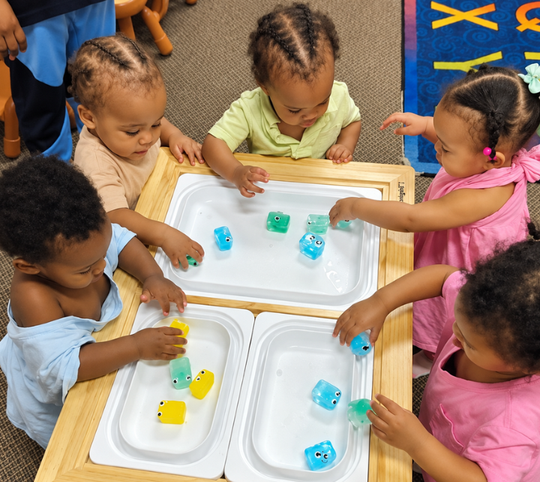
- Hands-On STEM Exploration: Safe experiments, building block engineering, sensory water tables, and nature discovery that spark creative problem-solving.
Key Services, Age Groups, and Flexible Scheduling Options
Modern families require reliable, flexible scheduling options that align with demanding workdays, varying shift times, and unpredictable commutes. High-quality centers offer comprehensive early childhood programs tailored to each developmental stage, serving infants, energetic toddlers, curious preschoolers, and school-age learners under one supportive roof.
For working parents juggling busy schedules, having access to reliable afterschool programs and before-care provides essential peace of mind. Consistent care across multiple age groups allows siblings to thrive within the same nurturing community, simplifying morning drop-offs and afternoon pick-ups.
Infant Through Preschool Developmental Milestones
Children grow at their own unique pace, but structured milestones help educators identify growth opportunities early:
- Infants (6 Weeks to 1 Year): Focus is on tummy time, visual tracking, sensory exploration, secure attachment, and responsive cooing.
- Toddlers (1 to 2 Years): Emphasis shifts toward balance, first words, simple phrases, self-feeding, parallel play, and emotional regulation.
- Preschoolers (3 to 5 Years): Children build kindergarten readiness, writing grasps, complex conversational skills, cooperative play, and independent problem-solving.
Extended Hours and Community Support for Working Families
Modern family life requires dependable community support. Quality childcare centers often provide extended weekday hours—such as 6:00 AM to 6:00 PM—so parents can manage shift schedules without stress. Beyond flexible hours, family-centered programs provide freshly prepared meals, accommodate allergy requirements, and use digital communication platforms like Procare to keep parents connected to daily milestones in real time. Some centers also offer free local transportation within a designated service radius, year-round field trips, and weekly summer adventures that enrich learning beyond the classroom.
Understanding Childcare Tuition, Enrollment, and Value
Navigating childcare costs is a major consideration for growing families. Tuition rates reflect classroom ratios, educator qualifications, nutritious meal programs, clean facilities, and enrichment resources. When assessing cost, consider everything included in the tuition, such as daily meals, specialized enrichment programs, field trips, and digital parent updates. Many licensed centers accept state childcare subsidies (such as Wisconsin Shares) to help make quality education accessible to working parents.
When planning your child's admissions process, compare programs carefully to assess the true value provided:
| Program Level | Typical Age Range | Daily Hours | Core Developmental Focus |
|---|---|---|---|
| Infant Care | 6 Weeks – 12 Months | Full-Day (e.g., 6 AM – 6 PM) | Sensory stimulation, motor milestones, language responsiveness, bonding |
| Toddler Program | 1 Year – 2.5 Years | Full-Day | Motor coordination, vocabulary, parallel play, gentle routine mastery |
| Preschool & Pre-K | 3 Years – 5 Years | Full-Day / Half-Day | Kindergarten readiness, STEM, phonics, cooperative social skills |
| Before & After School | 5 Years – 12 Years | Flexible Extended Care | Homework assistance, safe peer socialization, creative enrichment |

During enrollment, ask prospective directors about registration fees, supply costs, schedule change policies, and sibling discounts. Taking time to review payment schedules and subsidy paperwork upfront ensures a seamless transition when your child begins their first day of class.
Frequently Asked Questions About Local Early Learning Daycares
What operating hours do foundational early learning centers typically offer?
Most full-service community daycares operate Monday through Friday from 6:00 AM to 6:00 PM. These extended schedules accommodate standard and non-traditional working shifts, offering safe before- and after-school transitions, flexible drop-off windows, and dependable late afternoon pickup times for busy working parents.
How do I verify state licensing and safety credentials for a local center?
You can verify any provider's status through your state's childcare licensing database, such as the Wisconsin Department of Children and Families public portal. These registries show licensing history, capacity limits, health inspection results, staff compliance checks, and background verification records.
What developmental activities should I expect for toddlers and preschoolers?
Look for sensory bin exploration, music and movement, guided storytelling, early numeracy games, outdoor motor play, creative arts, and structured small-group activities designed to foster social-emotional regulation, peer cooperation, and kindergarten readiness.
Conclusion
Every child deserves a secure, joyful space where their natural curiosity is celebrated and their developmental needs are met with loving patience. At Humbled Hearts Child Development Center, our family-owned roots have guided our work in the Milwaukee community since 2014. Founded by the Parrett family, we are dedicated to whole-child growth, inclusive support for children with exceptional or special needs, and genuine family collaboration.
As a Wisconsin DCF-licensed group childcare facility, we take pride in offering fresh daily meals and snacks, digital updates via Procare, free local transportation within our designated service radius, and year-round field trips (including weekly summer adventures!). We celebrate every holiday, birthday, and developmental triumph together as an extended family. If you have been searching for a building blocks daycare near me, we invite you to discover a warm, collaborative learning community built just for your family.
Connect with our parents community to see how we partner with families every day, explore our about page to learn about our values, or contact us to schedule a personal tour. Visit Humbled Hearts Child Development Center today to take the first step toward a bright, supportive early education for your little one.