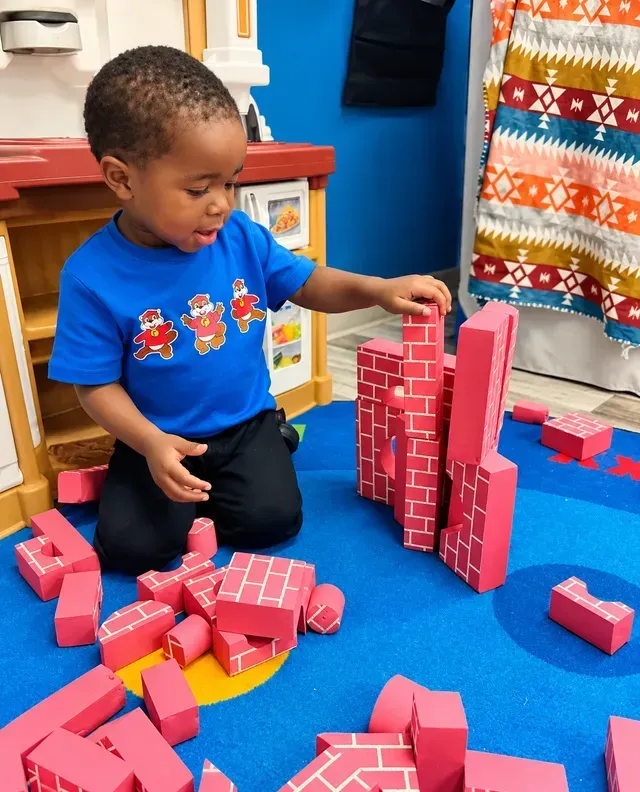
Evaluating Developmental Readiness for a 2 Years Nursery Program
Deciding whether your toddler is ready for a structured early learning environment involves looking at their daily behaviors, curiosity, and emerging independence. While many families transition from home care or infant daycare around twenty-four months, every child develops at their own unique pace.
At age two, toddlers experience a significant developmental leap. Their mobility shifts from cautious steps to confident running and climbing, while their desire to communicate expands rapidly. Evaluating readiness is less about academic mastery and more about emotional resilience, social curiosity, and responsive interaction with supportive adults.
| Developmental Area | Home Observations | Nursery Classroom Milestones |
|---|---|---|
| Communication | Uses gestures, single words, or simple two-word phrases to express wants. | Understands 200–500 words; begins linking 3–4 words together. |
| Social Interaction | Plays primarily alone or observes siblings from a distance. | Engages in parallel play and responds gently to group boundaries. |
| Physical Coordination | Walks steadily and picks up toys with full hand grip. | Climbs stairs (two feet per step) and uses pincer grasp for utensils. |
| Self-Care & Routines | Relies on caregivers for dressing, eating, and hand hygiene. | Practices taking off coats, washing hands, and daytime toilet routines. |
| Emotional Regulation | Seeks comfort during transitions and unfamiliar settings. | Builds separation confidence with consistent, warm educator support. |
Key Milestones in a 2 Years Nursery Setting
During this stage, early childhood educators look for baseline physical and linguistic markers that show a child is ready to thrive in a group setting. In an enriching classroom following a structured Two Year olds Curriculum Plan, children refine both gross and fine motor skills daily.
Toddlers learn to walk steadily across uneven surfaces, navigate classroom climbing equipment by placing two feet on each step, and pick up small sensory items between their thumb and forefingers. At meal and snack times, they build self-reliance by holding cups and using spoons independently.
Language development accelerates dramatically between ages two and three. Children expand their receptive vocabulary to understand between 200 and 500 words, gradually stringing together 3 to 4 words into expressive sentences such as "want more apple" or "look at truck." They also begin grasping early positional concepts—learning the practical meaning of on , under , behind , and in front as they clean up toys and navigate their environment.
Social-Emotional Growth and Independence Routines
Socially, two-year-olds are stepping out of pure solitary play into parallel play—playing side-by-side with peers, observing actions, and occasionally imitating play patterns. While sharing remains an emerging skill that requires gentle coaching, toddlers begin recognizing basic classroom boundaries, such as keeping gentle hands and helping put away blocks.

Self-care routines form the backbone of emotional confidence at this age. In a dedicated nursery setting, educators guide children through manageable self-help tasks:
- Practicing daytime toileting routines with patient, regular bathroom visits.
- Pulling up pants and taking off coats with minimal assistance.
- Washing and drying hands before meals and after messy sensory play.
- Learning healthy table manners and using napkins during fresh daily meals and snacks.
By framing teachers and parents as a collaborative team, these healthy habits are reinforced consistently between school and home, helping children feel secure and capable.
Core Curriculum: Phonics, Early Math, and Discovery in Nursery 2
Many parents wonder what a curriculum looks like for a child who has just turned two. Rather than rigid desk work, high-quality early childhood programs utilize intentional play to introduce foundational academic concepts. This balanced approach bridges the gap between early toddler discovery and formal preschool readiness.
A comprehensive nursery curriculum is carefully structured across the year through seasonal themes, engaging stories, and sensory exploration. These thematic units keep learning dynamic, connecting early science, art, and math to the world children observe every day.
Literacy and Numeracy Learning in 2 Years Nursery Classrooms
Early literacy in a 2 years nursery classroom centers on phonological awareness, speech repetition, and interactive storytelling. Following a comprehensive Nursery 2 Scheme of Work, educators introduce children to letter patterns through songs, fingerplays, and picture reading.
Children begin by identifying lowercase letters a through z and their corresponding phonics sounds using multisensory tools like textured flashcards, sand tracing, and alphabet rhymes. As children gain familiarity with basic sounds, uppercase letter recognition is gradually introduced. Story time incorporates vibrant picture books where toddlers point to characters, name familiar objects, and predict what happens next.
Early numeracy focuses on hands-on number concepts rather than abstract equations. Key math outcomes include:
- Rote Counting: Reciting numbers in sequence up to 5 and beyond through movement songs.
- One-to-One Correspondence: Touching and counting objects individually (e.g., counting three wooden blocks or four toy animals).
- Shape & Size Exploration: Sorting circles, squares, and triangles, and comparing items that are big versus small or heavy versus light.
- Spatial Awareness: Using blocks and puzzles to understand how different geometric shapes fit together.
Understanding the World, Senses, and Expressive Arts
Two-year-olds are natural scientists who learn best by touching, smelling, listening, and observing. Early science units introduce the five sense organs—eyes, ears, nose, tongue, and skin—helping toddlers understand how their bodies perceive the world around them.
Curriculum topics also explore the natural environment, introducing domestic animals (such as dogs, cats, cows, sheep, and ducks) alongside basic plant life cycles and seasonal weather shifts. Children observe leaves changing in autumn, explore ice in winter, and plant seeds during spring gardening projects.
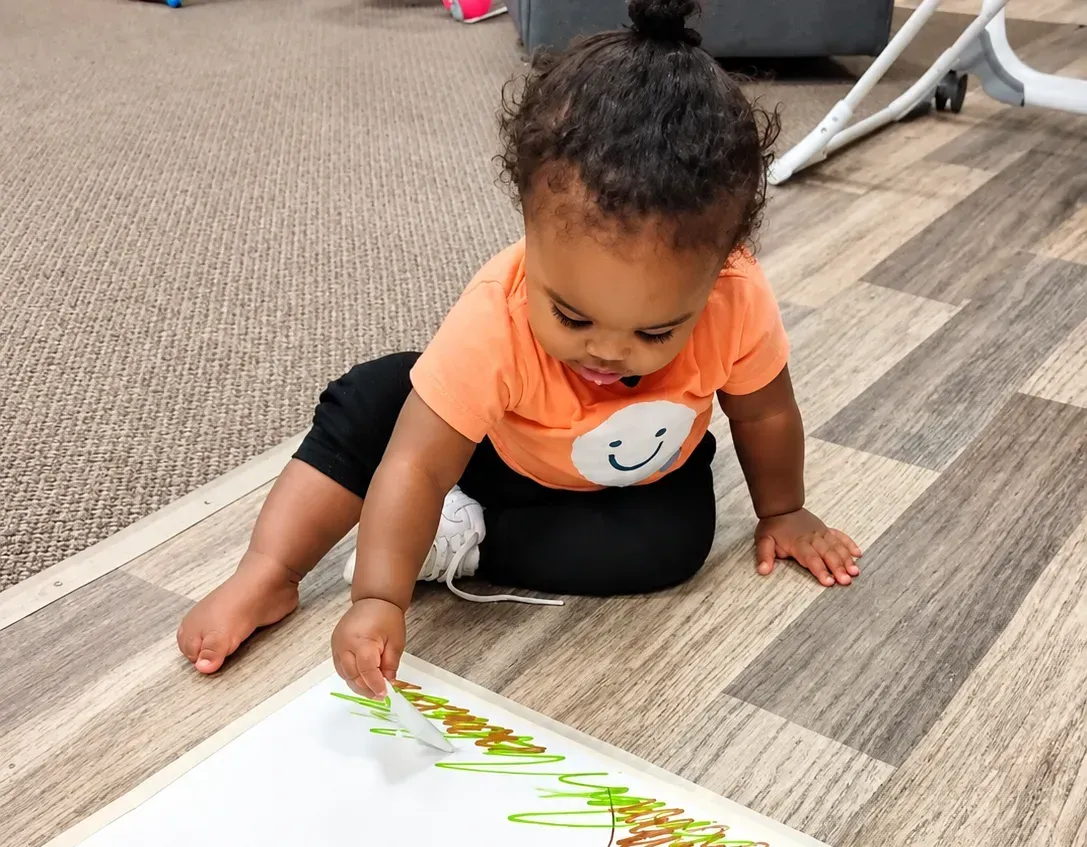
Expressive arts provide vital outlets for self-expression and fine motor development. Toddlers squeeze, roll, and shape non-toxic plasticine, experiment with thumbprints and vegetable painting, and dance to rhythmic music. Dramatic play corners—stocked with play kitchens, dress-up clothes, and community helper props—let children role-play everyday experiences, strengthening both imagination and empathy.
How to Assess Progress and Partner with Your Child's Nursery
Enrolling your child in an early childhood program should feel like expanding your family’s support system. High-quality early learning is rooted in transparent communication, ensuring parents stay informed about daily joys, emerging milestones, and developmental goals.
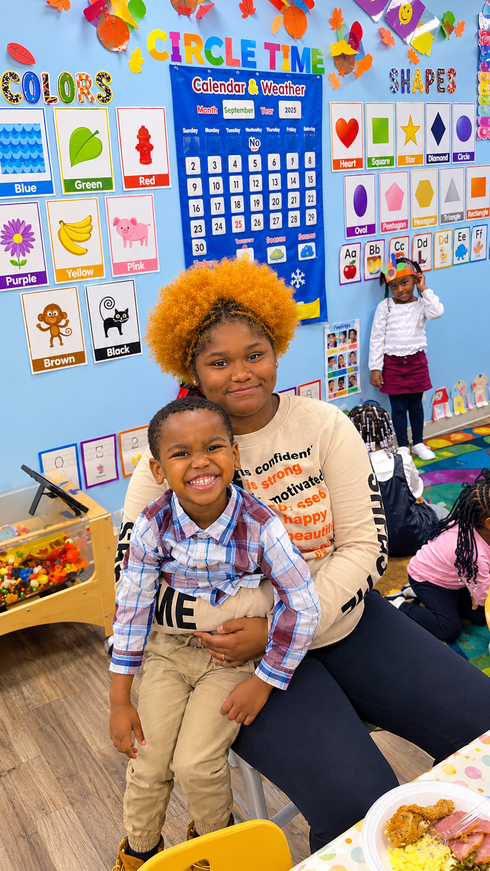
When evaluating programs, look for centers that prioritize strong family partnerships. Providing accessible parents resources and maintaining open lines of communication ensures that both home and school environments work together toward your child's kindergarten readiness.
Developmental Tracking, Assessments, and Milestones
At age two, formal testing is neither appropriate nor effective. Instead, professional educators utilize continuous, naturalistic observation to track growth across all learning domains.
Teachers maintain detailed observation logs, noting how a child navigates peer conflicts, holds art tools, expresses needs, and participates in group activities. These observations help identify specific strengths and areas where a child might benefit from gentle scaffolding. For children with exceptional or special needs, observational tracking ensures individualized accommodations are seamlessly woven into daily routines.
Key end-of-year indicators for a two-year-old nursery program include:
- Comfortably separating from parents at morning drop-off.
- Following simple two-step directions (e.g., "pick up the ball and put it in the bin").
- Expressing needs verbally rather than solely through physical cues.
- Demonstrating fine motor control through self-feeding and crayon scribbling.
- Showing curiosity about books, songs, and sensory materials.
Family Engagement and Collaborative Daily Communication
A child flourishes when their home life and school life feel closely connected. Many centers utilize interactive tools like weekly challenge boards—suggesting fun, simple games parents can play at home to reinforce classroom themes—as well as seasonal family celebrations and community field trips.
Modern early childhood centers also provide seamless communication via Procare, sending real-time digital updates regarding diapering or potty visits, nap times, meal participation, and photos of daily achievements. When you navigate the admissions journey, ask how educators share these daily moments so you always feel connected to your child's day.
Frequently Asked Questions About Starting Nursery at Age Two
What is the recommended staff-to-child ratio for two-year-olds in nursery?
For two-year-olds, state licensing standards typically mandate a strict staff-to-child ratio of 1 adult for every 4 children (or 1:6 depending on specific state regulations and group sizes). Low ratios ensure that every toddler receives close supervision, responsive comfort during difficult moments, and plenty of individualized conversational time to support language acquisition.
How do nursery programs support daytime potty training?
Nursery classrooms are designed to make toilet learning a positive, pressure-free experience. Teachers maintain predictable bathroom schedules, inviting children to try sitting on toddler-sized toilets at transition times (such as before meals and after naptime). Educators use gentle praise, collaborate with parents on the specific cues used at home, and handle inevitable accidents with calm, discreet reassurance.
How many words should a child speak before starting nursery?
There is no strict vocabulary requirement to enter nursery. Most children entering a two-year-old classroom understand between 200 and 500 words and speak anywhere from 50 single words to short multi-word phrases. If your child is quieter or uses non-verbal gestures, an immersive language environment filled with songs, peer interaction, and responsive teacher scaffolding often sparks an impressive surge in expressive speech.
Conclusion
Finding the right early education setting for your two-year-old is an important family milestone. When children enter a warm, predictable environment tailored to their developmental needs, they grow curious, confident, and kind.
At Humbled Hearts Child Development Center, we are dedicated to treating every child and family like part of our own. Founded by the Parrett family as an in-home childcare program in 2014, our center is now a proud Wisconsin DCF-licensed group childcare facility licensed for up to 60 children, located at 6003 N. Teutonia Ave, Milwaukee, WI 53209.
Our programs provide personalized care that nurtures the whole child—complete with fresh daily meals and snacks, inclusive support for children with exceptional needs, year-round field trips (including weekly summer field trips), free local transportation within our designated service radius, and seamless updates for parents.
We offer transparent, accessible tuition options:
- Ages 2–3 Years:$380/week full-time | $290/week part-time
- Ages 4 Weeks–1 Year:$400/week full-time | $300/week part-time
We invite you to experience our nurturing community firsthand. Visit Humbled Hearts Child Development Center to learn more about our mission, or Apply Today to schedule a personalized tour for your family.