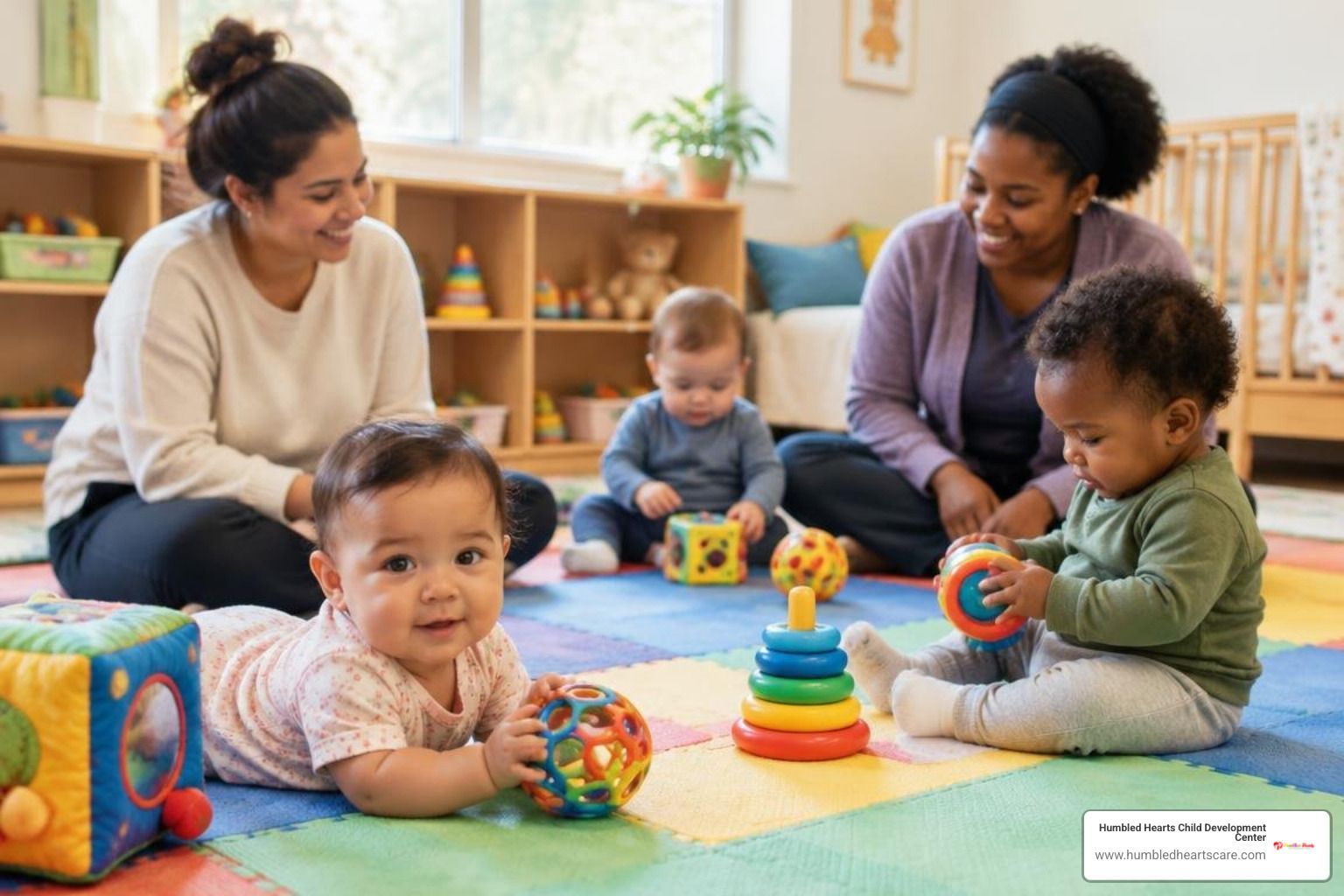
What to Look for in a Play-Based Learning Center
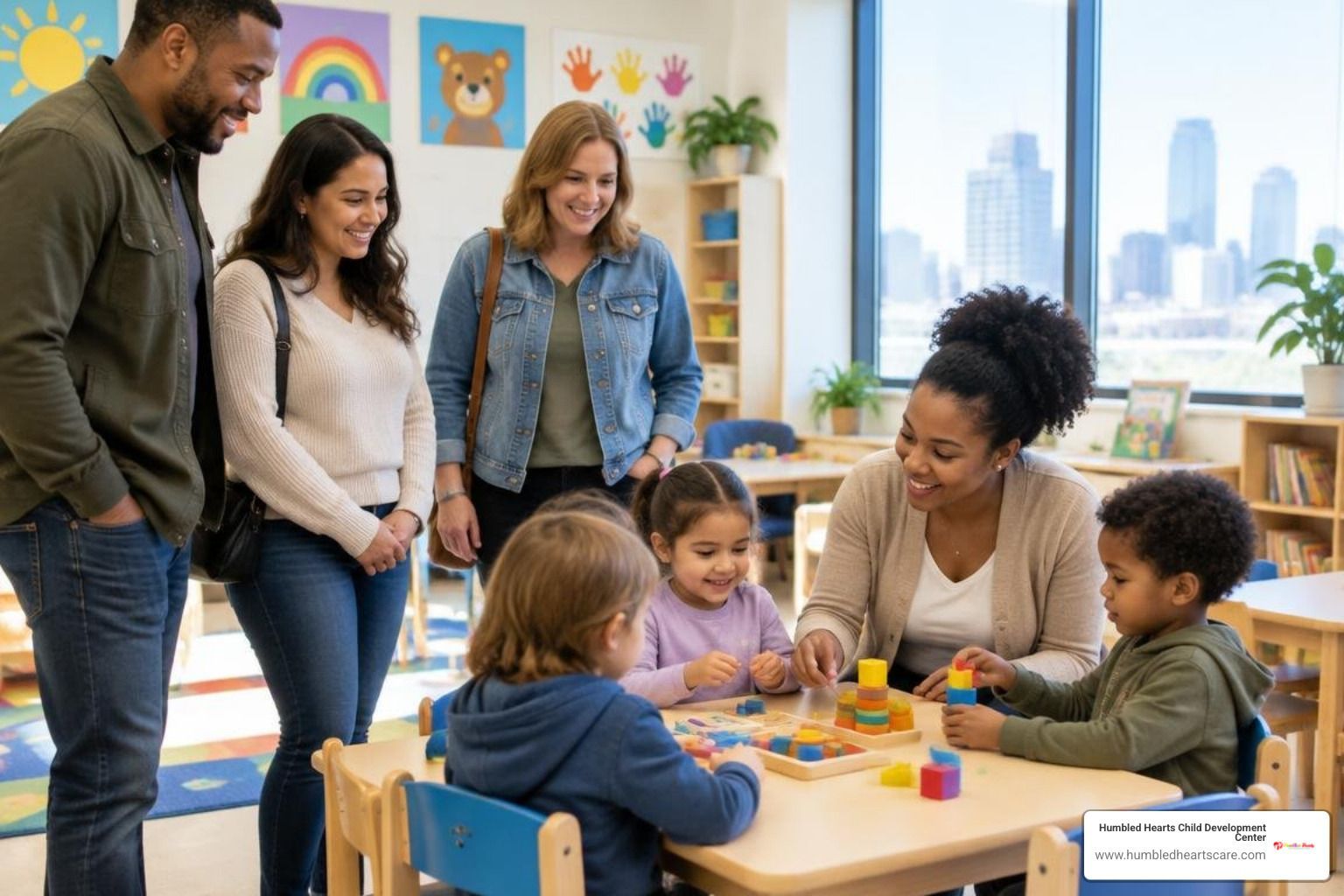
A play-based learning center gives children time to choose, explore, build, pretend, and solve problems with others. Teachers set up inviting activities, then watch, ask questions, and offer help when it adds to the learning. When you visit a center, look for hands-on materials, room for children to make choices, and teachers who can explain what children are learning through play.
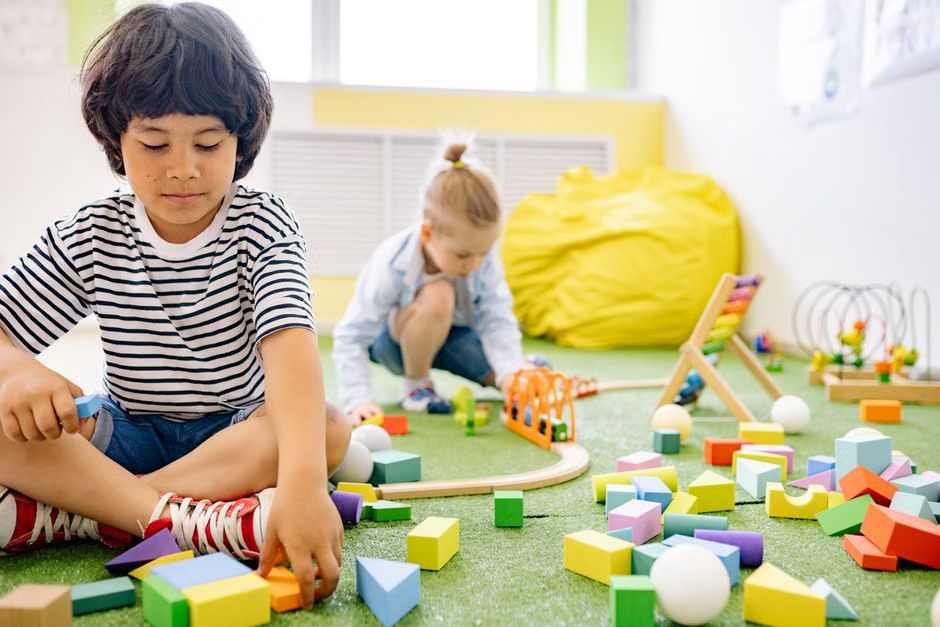
A block tower, for example, can become a lesson in balance, counting, and working together. At Humbled Hearts Child Development Center in Milwaukee, we value intentional play as part of whole-child growth. Parents and teachers work as a team to help children grow curious, confident, and kind.
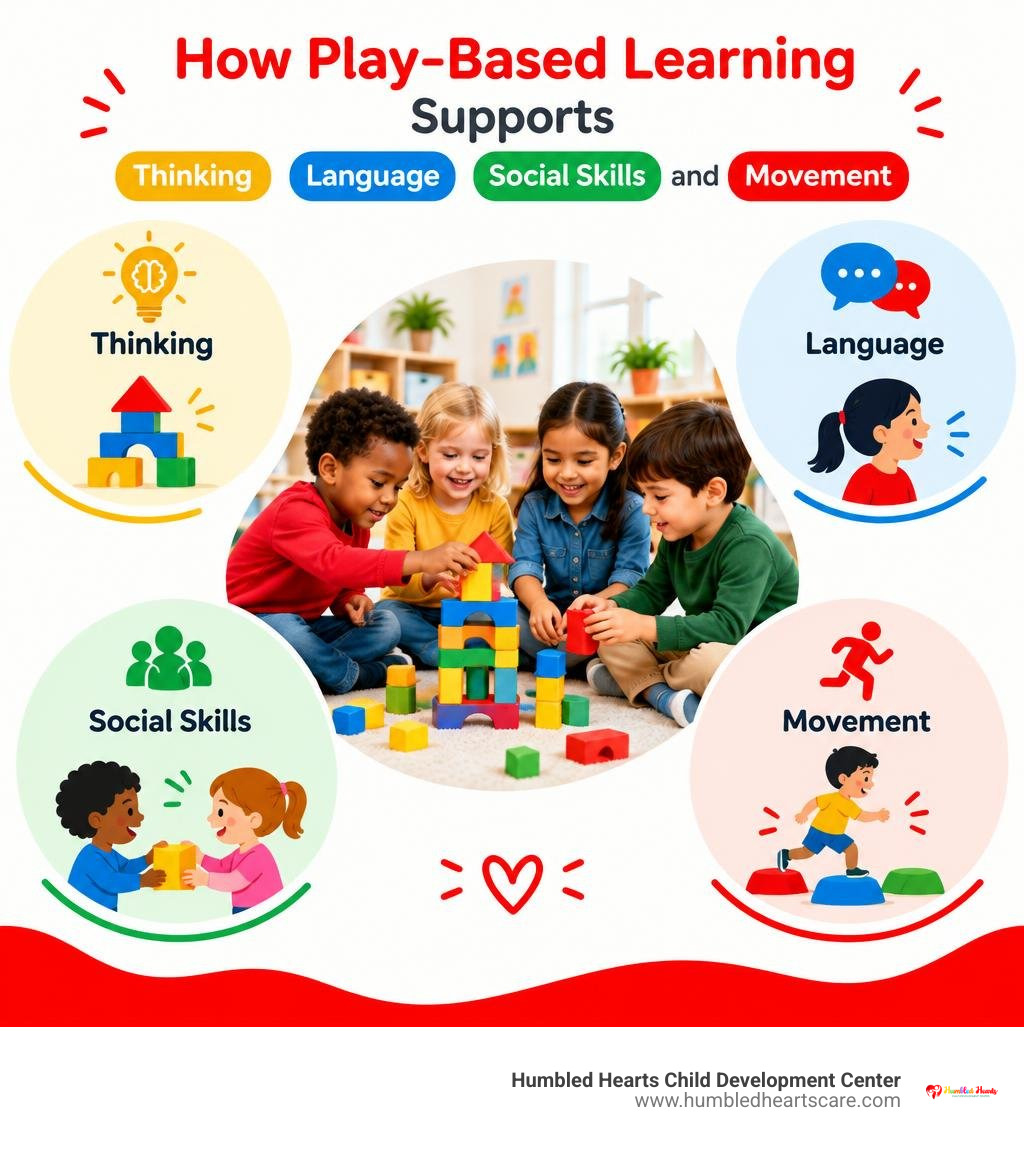
Understanding Play-Based Learning: Principles, Stages, and Child Agency
Play-based learning is an educational framework grounded in hands-on discovery and child agency. Rather than treating young children as passive recipients of direct instruction, an intentional play environment honors their natural drive to explore, hypothesize, and experiment.
When children engage in authentic play, they experience meaningful agency—the ability to make choices and guide their own actions. This autonomy helps children feel socially and emotionally safe, empowering them to express ideas, experiment, and take creative risks.
Cognitive development flourishes when play is thoughtfully scaffolded. Guided play—often described as intentional discovery—blends child-led exploration with gentle adult facilitation to help children connect concepts, build focus, and strengthen critical executive function skills like working memory, mental flexibility, and self-regulation.
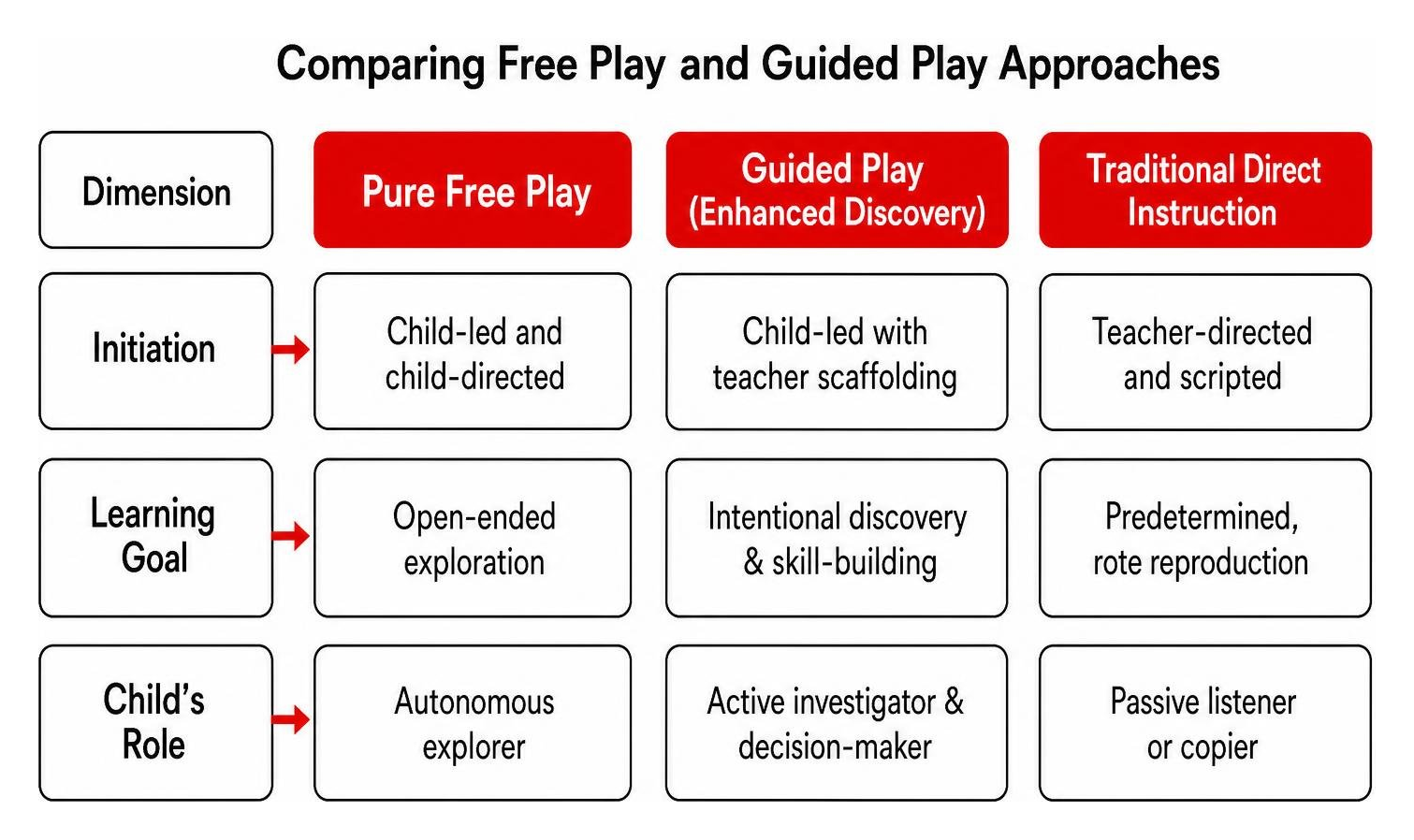
| Dimension | Pure Free Play | Guided Play (Enhanced Discovery) | Traditional Direct Instruction |
|---|---|---|---|
| Initiation | Child-led and child-directed | Child-led with teacher scaffolding | Teacher-directed and scripted |
| Learning Goal | Open-ended exploration | Intentional discovery & skill-building | Predetermined, rote reproduction |
| Child's Role | Autonomous explorer | Active investigator & decision-maker | Passive listener or copier |
| Teacher's Role | Safe observer & supervisor | Facilitator, co-player & questioner | Lecturer & task evaluator |
| Primary Benefit | Stress relief & self-expression | Deep concept mastery & agency | Short-term fact recall |
Parten's Six Developmental Stages of Play
Children move through distinct developmental play stages as they mature emotionally and socially. Pioneered by sociologist Mildred Parten, this six-stage continuum guides early educators in designing developmentally appropriate environments:
- Unoccupied Play (Infancy): The infant makes uncoordinated, exploratory movements, observing their surroundings and learning how their body functions.
- Solitary Play (Infancy to Toddlerhood): The child plays independently with toys, focused entirely on their immediate sensory world without trying to engage peers.
- Onlooker Play (Toddlerhood): The child actively watches others play, listening to dialogue and asking questions without joining in directly.
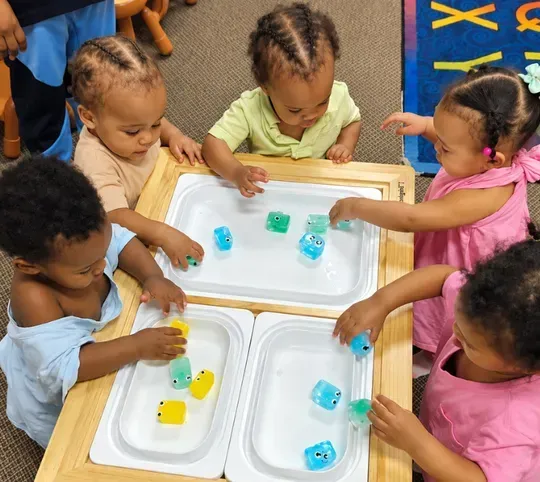
- Parallel Play (Ages 2–3): Children play side by side with similar materials (such as playdough or sensory bins) without actively influencing one another’s actions.
- Associative Play (Ages 3–4): Children share materials and converse about what they are making, though their individual projects remain separate.
- Cooperative Play (Ages 4–5+): Children collaborate around shared goals, take on complementary dramatic roles, establish group rules, and work together through creative conflict resolution.
Cognitive, Social-Emotional, and Physical Benefits
When integrated into our high-quality preschool classrooms, purposeful play delivers whole-child benefits across every domain:
- Language Acquisition: Dramatic play scenarios (such as running a mock grocery store or veterinary clinic) encourage rich conversational turn-taking, sophisticated vocabulary, and active listening.
- Social-Emotional Regulation: Negotiating turns with high-demand toys teaches emotional regulation, empathy, and constructive communication.
- Fine and Gross Motor Coordination: Manipulating tweezers in sensory bins or stacking building blocks strengthens fine motor dexterity for handwriting, while outdoor obstacle courses and dance build gross motor balance.
- Cognitive Problem-Solving: Figuring out how to keep a water channel flowing or balancing an arch in the block corner builds foundational physics, spatial reasoning, and critical thinking.
Core Environments Inside a Modern Play Based Learning Center
A modern early learning environment is carefully designed to invite exploration while maintaining a calm, predictable order. Low, open shelving with clear labels, visual schedules, and accessible bins ensure that every child can select and return materials independently.
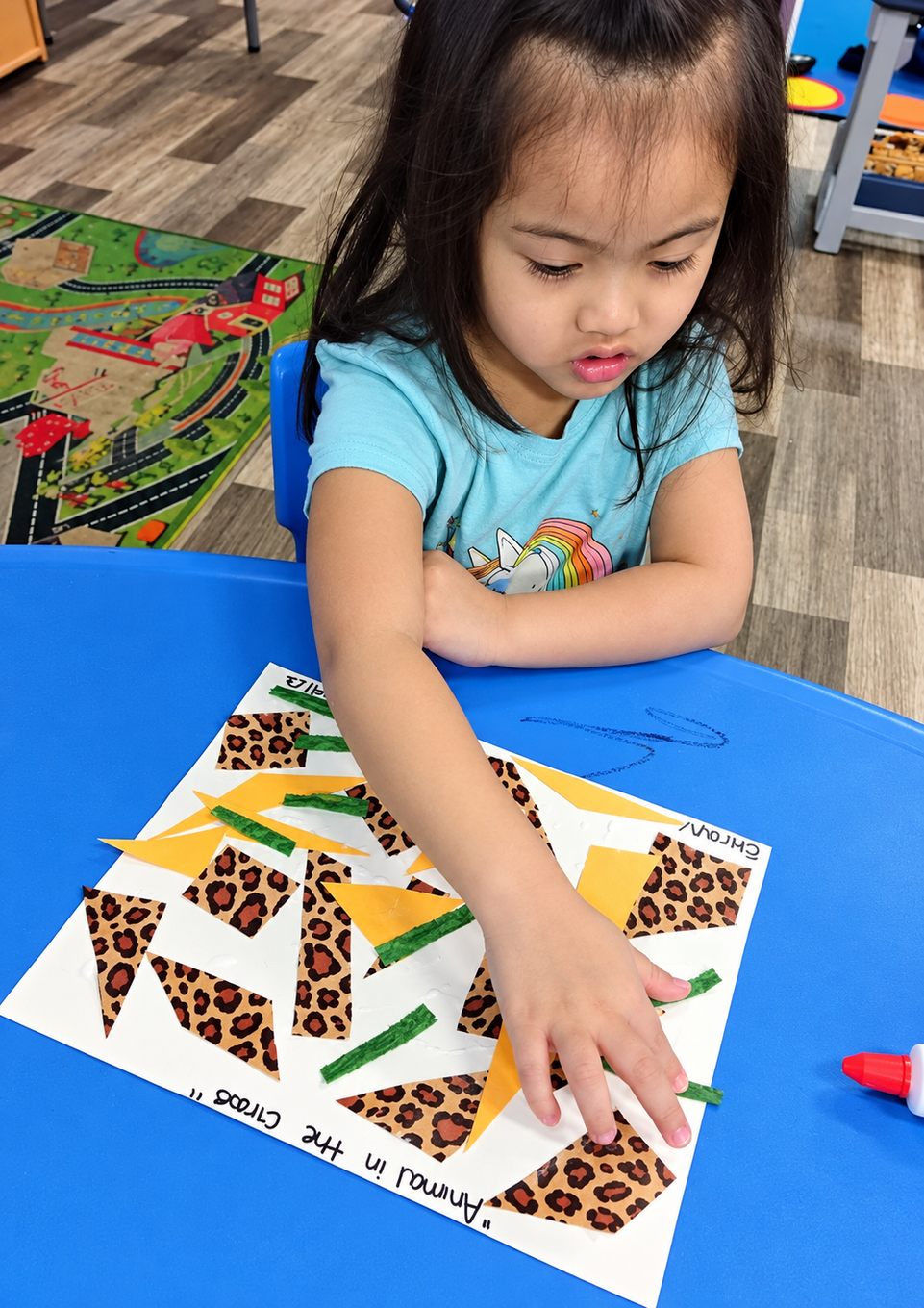
Setting Up Hands-On Stations in a Play Based Learning Center
Effective classrooms feature clearly defined stations that spark cross-area curiosity and allow children to integrate ideas across multiple learning domains:
- Block & Construction Center: Stocked with hardwood unit blocks, hollow blocks, wooden animals, and blueprints. Children explore geometry, architectural balance, and collaborative problem-solving.
- Dramatic Play Corner: Complete with dress-up attire, multi-ethnic dolls, pretend kitchens, and real-world props (such as clipboards, menus, and play money) to support social dialogue.
- Sensory Stations & Water Tables: Filled with sand, water, kinetic gravel, or water beads to explore volume, buoyancy, texture, and state changes.
- STEM Makerspace & Take-Apart Tubs: Providing child-safe screwdrivers, gears, discarded electronics, tubes, and recyclables for open-ended upcycling and engineering design challenges.
- Creative Arts Studio: Offering paints, clay, textured papers, and collage supplies where the emphasis remains strictly on the creative process rather than a cookie-cutter end product.
- Math & Literacy Nooks: Outfitted with cozy seating, diverse storybooks, tactile letter cards, pattern blocks, and measuring tapes.
The Facilitator Role of Early Educators
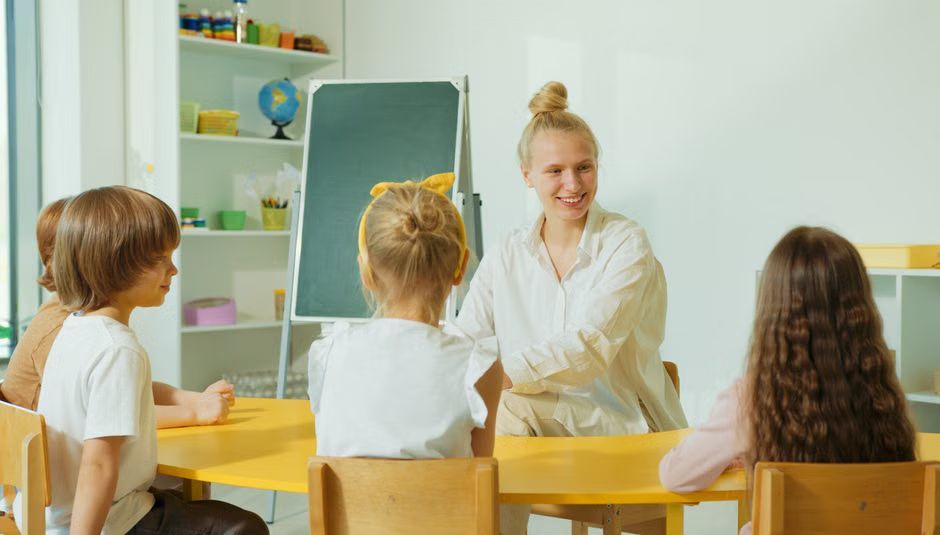
In an intentional play setting, teachers serve as facilitators and co-constructors of learning. Rather than directing every step, educators ask open-ended questions like:
- "What do you think will happen if we add a heavier block to that corner?"
- "How could we design a bridge that is wide enough for both cars to pass?"
By observing closely and scaffolding challenges, teachers seamlessly integrate our early education programs into daily discovery.
Play-Based Education Versus Traditional Academic Models
Many parents wonder whether play-based classrooms provide enough structure and preparation compared to traditional, desk-bound instruction. While repetitive paper drills can quickly disengage young learners, hands-on inquiry fosters enduring curiosity, active problem-solving, and a deeper conceptual understanding of the world.
| Feature | Play-Based Learning Center | Traditional Rote Academic Center |
|---|---|---|
| Instructional Style | Integrated stations, inquiry, and small-group discovery | Whole-group lectures, desk seating, and paper worksheets |
| Motivation Driver | Natural curiosity, hands-on goals, and self-directed interest | External compliance, gold stars, and repetitive drills |
| Social Development | Daily peer collaboration, shared projects, and problem-solving | Focus on quiet, solitary work with limited peer dialogue |
| Skill Mastery | Deep conceptual understanding through trial and error | Surface-level memorization that fades without repetition |
Kindergarten Readiness and Smooth Transitions
True kindergarten readiness extends beyond recognizing numbers and letters; it involves listening attentively, managing emotions, persevering through challenges, and collaborating with peers. Children who learn through play enter elementary classrooms with strong self-regulation, confident communication skills, and an enduring enthusiasm for school. You can learn more about our balanced approach to foundational readiness and whole-child growth across every age group.
Assessing Child Progress Within a Play Based Learning Center
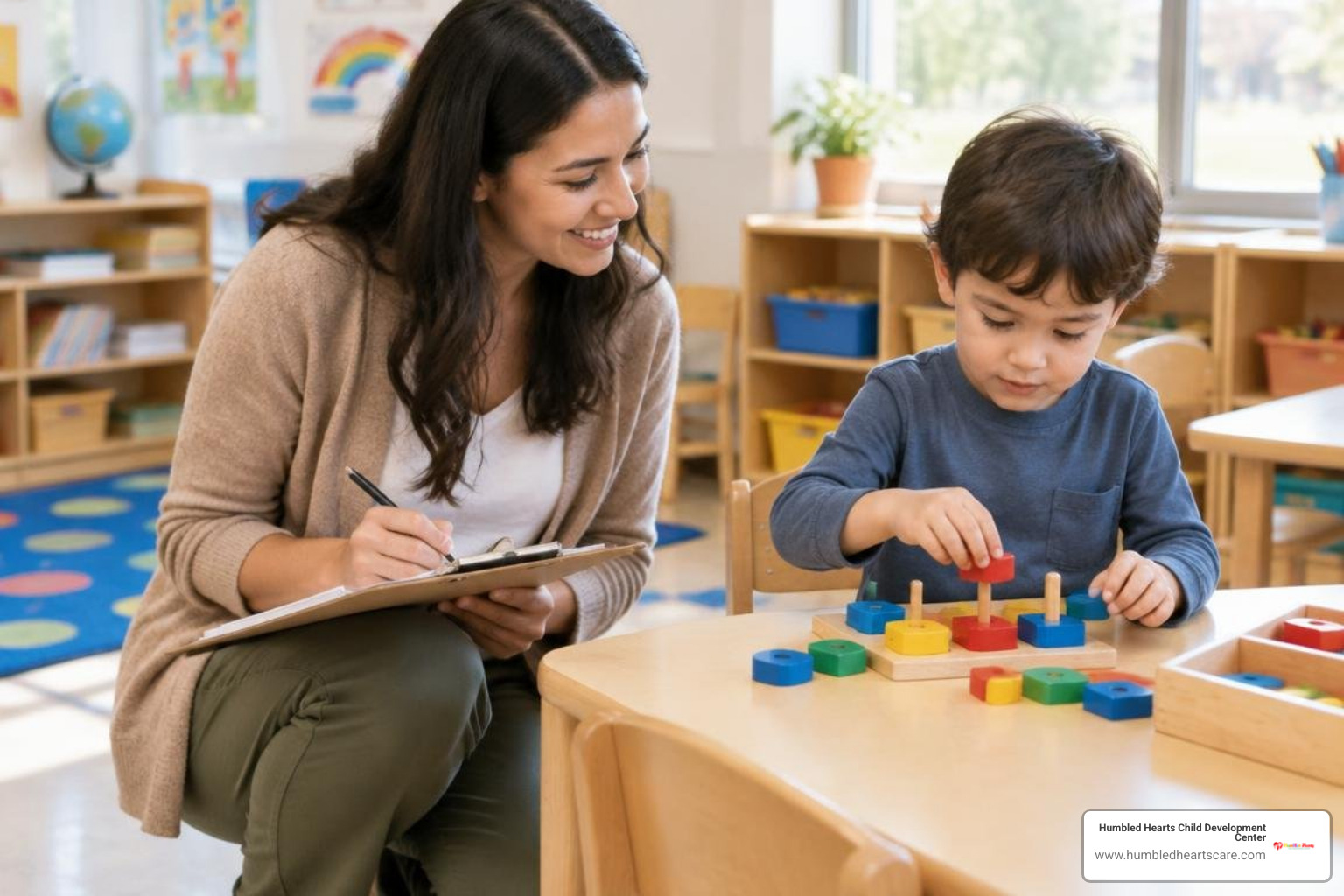
In a play-centered classroom, assessment is continuous, authentic, and observational. Rather than subjecting young learners to stressful tests, teachers capture real-time progress through:
- Observational Anecdotal Notes: Documenting a child's problem-solving strategies, social negotiations, and language milestones during station time.
- Individual Portfolios: Curating work samples, project photos, drawings, and dictated stories over time.
- Developmental Milestone Checklists: Systematically tracking fine motor, gross motor, cognitive, and social-emotional growth to share during family conferences.
Building Strong Family and Community Partnerships in Early Education
We view parents and teachers as an essential collaborative team. When home and school work together, children feel secure, valued, and ready to learn.
Families can easily weave intentional, play-based discovery into everyday home routines:
- Kitchen Math & Chemistry: Count apple slices, measure flour for pancakes, and explore how ice melts in warm water.
- Laundry Sorting: Practice categorizing by color, size, and texture while matching socks.
- Living Room Story Theaters: Act out favorite bedtime storybooks using simple household props and dress-up clothes.
- Nature Walks: Collect leaves, pinecones, and stones to sort by pattern, shape, and weight.
At Humbled Hearts, we support working families by providing seamless communication via Procare and regular updates for families.
Our programs are designed around parent priorities—safety, nurturing care, transparent communication, and reliable schedules:
- Fresh daily meals and snacks to keep growing bodies energized.
- Predictable daily routines balanced with gentle, honest, and respectful moral grounding.
- Free local transportation within our designated service radius to ease busy morning commutes.
- Year-round field trips, including weekly summer field trips.
- Celebrations and family events, including birthdays, holidays, and themed enrichment.
- Inclusive support for children with exceptional or special needs, ensuring every child thrives in a caring environment.
Frequently Asked Questions About Play-Based Early Learning
How do teachers know children are learning if they are just playing?
Teachers use systematic observation, learning portfolios, and milestone tracking aligned with early learning standards. When an educator observes a child measuring blocks to build a stable bridge, they evaluate spatial reasoning, math concepts, motor precision, and perseverance in real time.
Is play-based learning suitable for children with special or exceptional needs?
Yes. Play-based environments are naturally adaptable. Open-ended materials allow children to engage at their own developmental level. Sensory-friendly spaces, visual schedules, and individualized educator scaffolding provide tailored support for children with sensory sensitivities or developmental differences.
What is the ideal balance between free play and teacher-guided instruction?
A high-quality program balances spontaneous, child-directed free play with teacher-guided discovery stations and brief, interactive circle times. This balance ensures children have the freedom to explore their own interests while receiving purposeful scaffolding for foundational literacy and numeracy.
Conclusion: Nurturing Lifelong Learners Through Purposeful Play
Choosing the right early childhood environment is one of the most meaningful decisions you will make for your child. A high-quality play-based setting builds a lasting foundation for academic achievement, emotional resilience, and authentic joy in discovery.
The Parrett family founded Humbled Hearts as an in-home childcare program in 2014, and our commitment to treating every child and family like part of our own remains at the center of everything we do. Today, we operate as a Wisconsin DCF-licensed group childcare facility licensed for up to 60 children, located at 6003 N. Teutonia Ave, Milwaukee, WI 53209.
We provide personalized care for infants through school-age children with transparent, family-friendly pricing:
- Infants (Ages 4 weeks–1 year):$400/week full-time | $300/week part-time
- Toddlers & Early Preschool (Ages 2–3 years):$380/week full-time | $290/week part-time
Our guiding Mission is:
"To nurture each child’s unique potential through personalized care, an engaging curriculum, and a supportive environment for academic, social, emotional, and physical growth."
Our guiding Vision is:
"To be a leader in Early Childhood Education, ensuring that every child and family thrives through compassionate care, personalized learning, and community support—fostering a love for learning that lasts a lifetime."
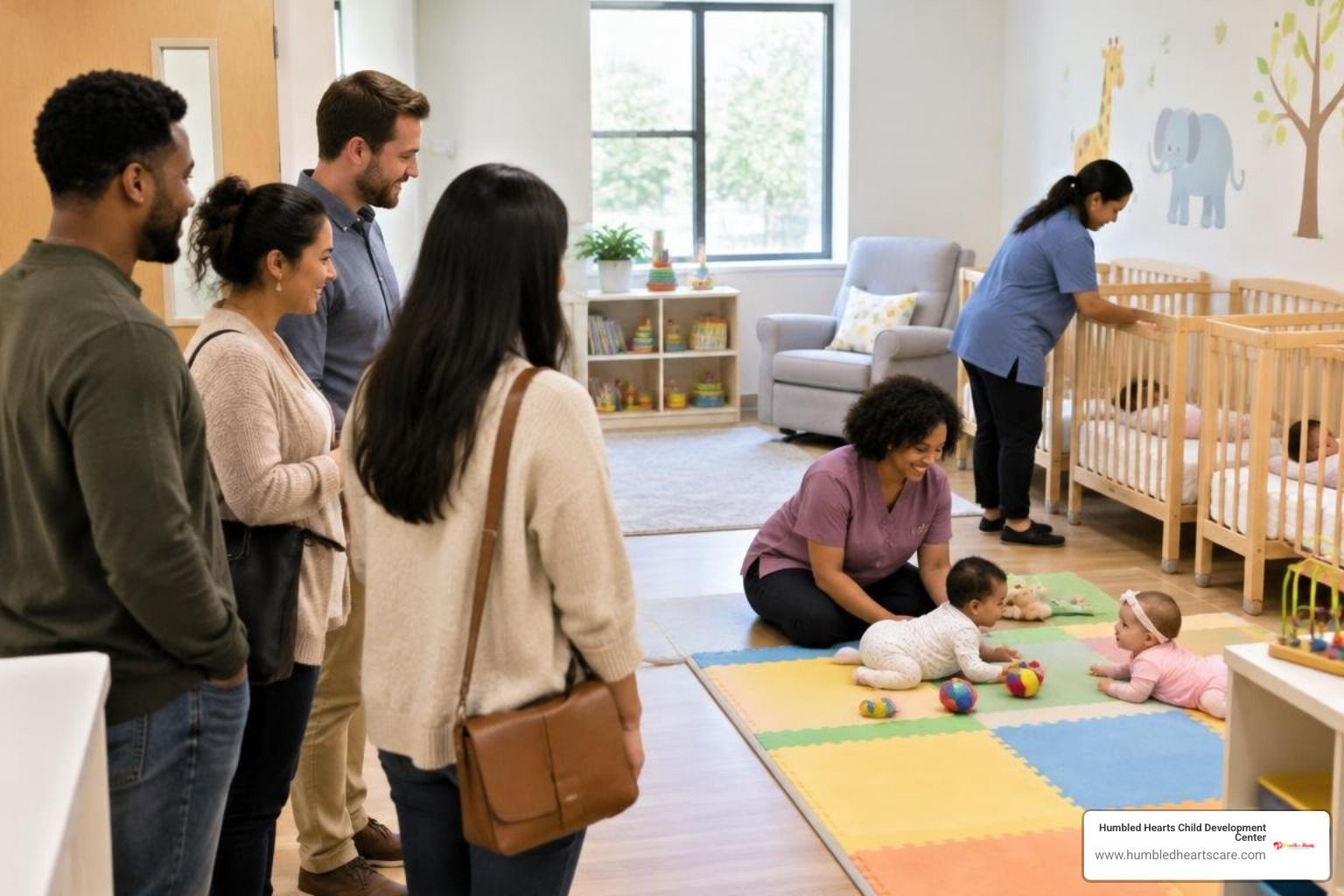
We invite your family to tour our vibrant classrooms, meet our dedicated educators, and see intentional play in action. Visit our home page at Humbled Hearts Child Development Center or apply today to reserve your child's spot.